
July 4,2026
You spent months building your business from the ground up. You created a unique logo, picked
the perfect company name, and wrote original content to share your message. Now, you need to
protect your assets. Many owners find themselves confused about the difference between
trademark registration vs copyright registration. Both offer protection, but they cover different
parts of your business. Picking the wrong one could leave your hard work open to theft.
Understanding these two tools helps you secure your brand and your creations.
What Differentiates Trademark and Copyright Registration?
These two legal tools address different types of property. One focuses on your brand identity in
the market, while the other protects your creative works from being copied.
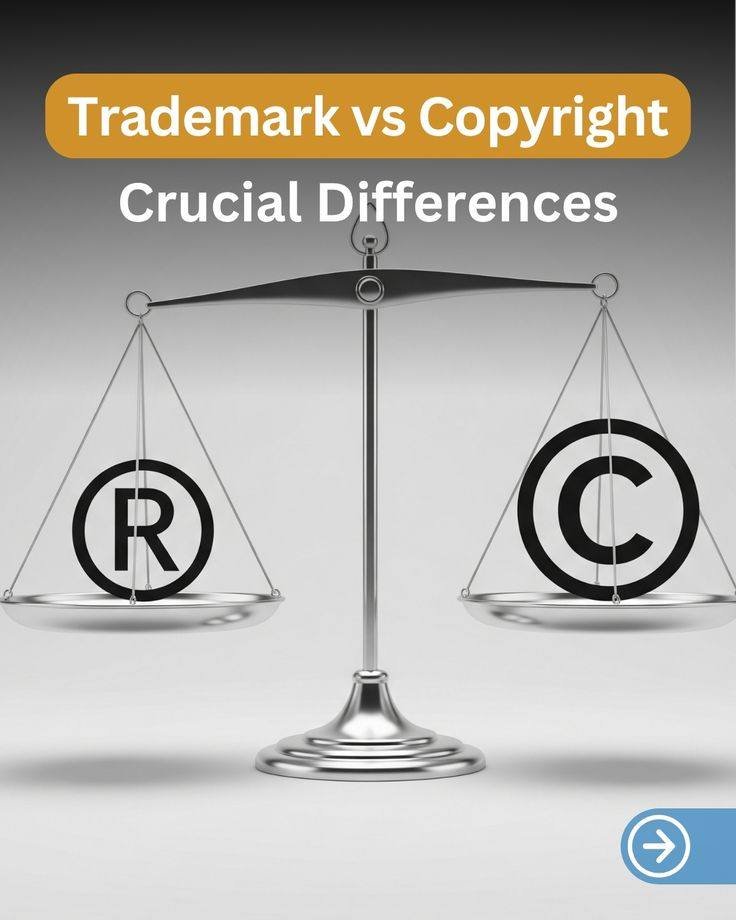
A trademark identifies the source of goods or services. It tells customers that a product comes
from you and not a competitor. Think of symbols, names, logos, and catchy slogans. When a
customer sees the Nike swoosh, they know exactly who made the shoes. That is a trademark in
action. It prevents confusion by ensuring that no one else uses a name or logo that looks like
yours.
Copyright law protects your creative expressions. This includes books, articles, music,
photographs, software code, and videos. Unlike a trademark, copyright protects the specific way
you express an idea. It does not protect the idea itself. If you write a song, you own the specific
arrangement of notes and lyrics. Copyright gives you control over who can copy, share, or
perform your work.
The Primary Purpose of Each:
The goals of these protections differ in simple ways. Trademarks keep the marketplace clear so
buyers know who they are buying from. They prioritize brand loyalty and consumer trust.
Copyrights grant you exclusive rights to your original works. They allow you to profit from your
creativity and decide how others use your content. Keeping these goals in mind makes it easier to
choose the right path for your specific situation.
Applying the right legal tool depends on what you want to protect. Understanding the specific
purpose of each will help you make the best choice.
Protecting Your Business Name and Logo:
You should seek a trademark when you want to protect your brand identifiers. If you have a
unique company name, a logo that defines your visual identity, or a slogan that sticks in people’s
heads, you need a trademark. These items represent your business reputation. Trademarking
them prevents competitors from using similar names that might trick your customers into buying
from the wrong company.
Securing Rights for Your Creative Content
Copyright is for your content and artistic projects. If you publish a blog post, take a professional
photo, design an illustration, or record a podcast, copyright protection is what you need. It is
essential for content creators, authors, artists, and software developers. The moment you fix your
work in a tangible form, you have copyright protection. Registering that copyright just makes it
easier to prove your ownership in a court of law.
Overlapping Protections and Best Practices
Sometimes, you need both. Consider a company logo. A logo functions as a trademark because it
identifies your brand. However, it is also a piece of original graphic design. This means it may
qualify for both trademark and copyright protection. The best practice is to trademark your brand
elements to prevent consumer confusion. You can use copyright to protect the artistic integrity of
your design. Using both forms of protection gives you a thicker wall of security around your
business assets.
The Registration Process: A Step-by-Step Comparison
Filing for protection involves different steps and requirements. You need to know the path for each to ensure you follow the rules correctly.
Navigating Trademark Application Requirements
To register a trademark, you submit an application to the Intellectual Property Organization of Pakistan (IPO-Pakistan). First, you must conduct a search to ensure your name or logo is not already in use. Then, you file your application, pay the fees, and wait for an examiner to review your submission. You must also provide a “specimen.” This is proof that you are actually using your trademark in commerce to sell your goods or services.
Understanding Copyright Registration Procedures
The process for copyright registration happens through the Intellectual Property Organization of Pakistan (IPO-Pakistan). You can file most applications online, which is often faster and cheaper. You will need to provide a copy of your work, known as a “deposit,” so the office has a record of what you are protecting. After paying the required fee, your application goes through a review. If everything is in order, you receive a certificate of registration.
Duration and Maintenance of Protection
Trademarks and copyrights have different lifespans. A trademark can last forever as long as you continue to use it in business and file the required renewal documents. You must pay fees at specific intervals to keep it active. Copyrights generally last for the life of the author plus 70 years. After that, the work enters the public domain. While copyright protection starts automatically, formal registration is still the best way to secure your rights.
Benefits of Registration: Why Formalize Your Rights?
You might wonder if registration is worth the effort. In short, it gives you legal power you do not have without it.
The Legal Power of Registration
Registration provides a public record of your ownership. This is your primary defense. With a registered trademark, you can use the ® symbol. This tells the public that your trademark is officially protected. For copyright, registration strengthens your legal ownership and makes it easier to enforce your rights if someone copies or uses your work without permission. It also serves as valuable evidence of ownership before the competent courts in Pakistan. Deterrence and Enforcement Strategies
Registered assets act as a warning sign. When others see that you have registered your brand or work, they are less likely to copy it. If someone does infringe on your rights, registration gives you a clear path for enforcement. You can send a cease and desist letter with a copy of your registration certificate to show you are serious. This often stops the unauthorized use before you ever need to go to court.
Marketability and Licensing Opportunities
Your intellectual property is a business asset. Registration increases the value of your brand, making it more attractive to potential buyers or partners. If you want to license your music, code, or brand name to others, having a registered title makes the deal easier. Investors often look for companies that have secured their intellectual property, as it proves the company is organized and owns its assets.
Common Pitfalls to Avoid
Even with good intentions, mistakes happen. Avoiding these errors saves you time and money.
Assuming Automatic Protection
Many people believe copyright is enough on its own. While you do have rights the moment you create your work, you cannot enforce them fully without registration. If you want to sue for damages, you must have that registration in hand. Similarly, never assume you have rights to a name just because you want it. Trademark rights often go to the first person who actually uses the name in business.
Filing Errors and Incomplete Applications
Accuracy is vital in every application. If you provide the wrong information or choose a category that does not match your business, the office will reject your filing. Always double-check your application for typos and errors. Research other similar trademarks before you file to ensure yours is unique. Picking a name that is too similar to an existing one will lead to a denial.
Overlooking International Protection
Intellectual property rights are territorial. A trademark or copyright registered in Pakistan generally provides protection within Pakistan only. If you plan to sell your products or publish your content in other countries, you need to file for protection there as well. Do not assume your registration in Pakistan provides protection in other countries. If you plan to expand internationally, you should apply for protection in the relevant jurisdictions.
Key Takeaways: Securing Your Intellectual Property
Taking the time to register your work is one of the smartest things you can do for your business. It locks in your rights and gives you the tools to stop others from using your hard work as their own.
Distinct Protections for Distinct Assets
Remember the core rule: trademarks identify brands, and copyrights protect creative works. Each plays a different role in protecting your business. Using the wrong tool for the wrong asset leads to gaps in your security. Keep your brand names, logos, and slogans on the trademark side, and keep your artistic and creative projects on the copyright side.
Registration Strengthens Your Rights
Registration is more than just paperwork. It is your shield. It gives you the legal standing to defend your business in court and deters people from stealing your ideas in the first place. You gain the power to use symbols that warn others away and the proof needed to prove your ownership.
Consult an IP Professional When Necessary
Intellectual property law can be complex. If you have a valuable brand or a unique creation, it is often worth the cost to talk to a lawyer. They can help you perform searches, file correct applications, and build a strategy that fits your long-term goals. A little professional guidance now can save you from a major legal headache later.
Final Thoughts
Your business assets and creative works are the lifeblood of your success. Do not leave their safety to chance. By understanding the difference between trademark and copyright registration, you can protect what you build. Take the steps to register your rights, and focus on growing your business with confidence.