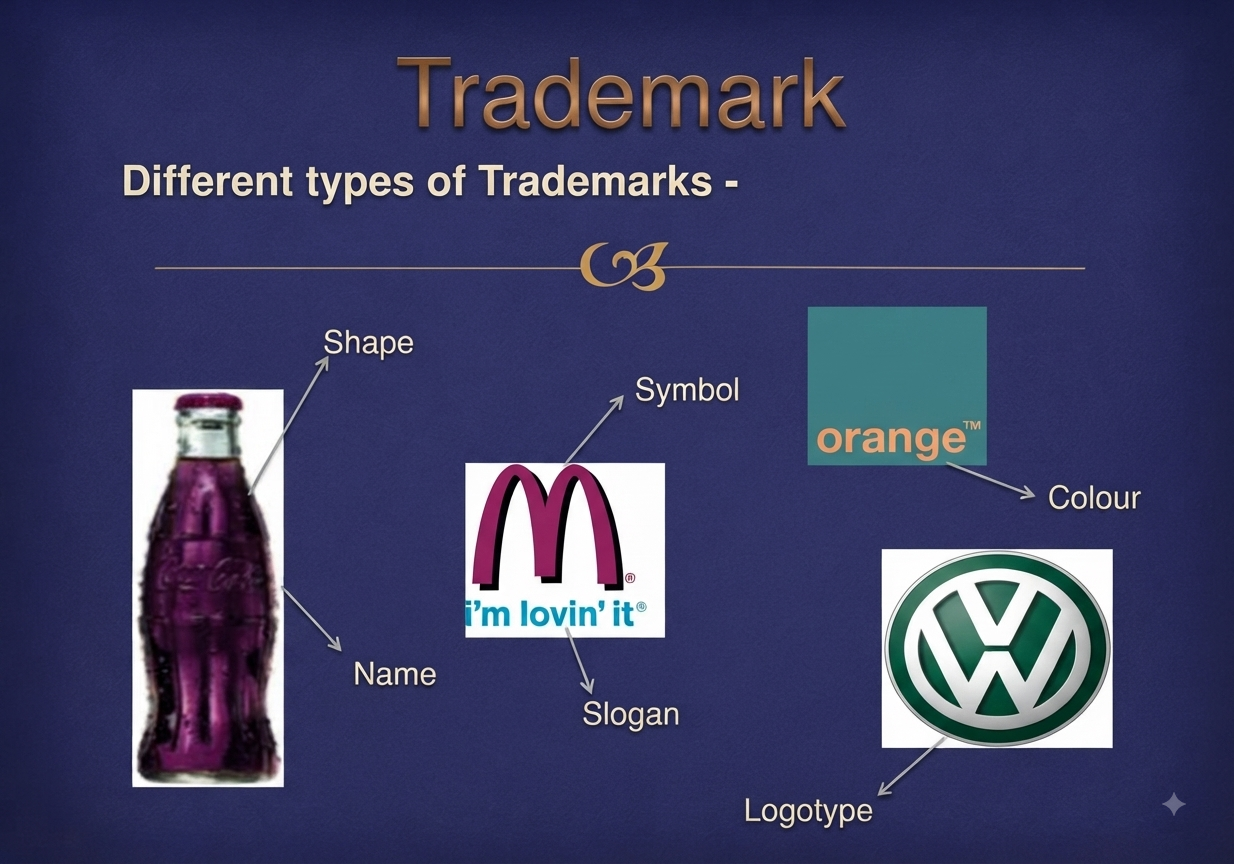




Imagine spending years building a brand that customers recognize and trust—only to discover another business using a confusingly similar name or logo. Your customers may think they are buying from you, while someone else benefits from the reputation you worked hard to build.

This is where trademark infringement becomes a serious business concern.

In Pakistan, trademark rights are primarily governed by the Trade Marks Ordinance, 2001. A registered trademark can provide valuable legal protection against unauthorized use and help a business protect its brand identity, reputation, and commercial interests.

What Is Trademark Infringement?

trademark infringments

Trademark infringement generally occurs when a person uses a registered trademark, or a mark that is sufficiently similar to it, in a manner that violates the rights of the registered trademark owner.

The key concern is whether the unauthorized use is likely to cause confusion or association with the registered brand.

For example, if a company has registered a distinctive brand name for clothing and another business starts selling similar clothing under a confusingly similar name or logo, the trademark owner may have grounds to take action.

Common Examples of Trademark Infringement

Trademark infringement can occur in different ways, including:

  • Using an identical or confusingly similar brand name.
  • Copying another company’s registered logo or device mark.
  • Selling counterfeit products using another business’s trademark.
  • Using a protected trademark on product packaging without authorization.
  • Using a trademark in business advertising in a way that infringes the owner’s rights.
  • Creating branding that could cause customers to believe two businesses are connected.

With the growth of e-commerce and social media, trademark infringement can also occur through online stores, websites, social media pages, and digital advertising.

Registered Trademark vs. Unregistered Trademark

Registered Trademark vs. Unregistered Trademark

One of the most important reasons to register your trademark is the stronger legal position it provides.

A business may use a brand without registering it, and certain legal rights may arise from prior use depending on the circumstances. However, registration provides a clearer and stronger basis for enforcing trademark rights.

A registered trademark provides official evidence of the registered rights and can make it easier for the owner to challenge unauthorized use.

For this reason, businesses should consider trademark registration before investing heavily in building a brand.

How Trademark Registration Protects Your Brand

When your trademark is successfully registered with IPO-Pakistan, you obtain registered rights in relation to the goods or services covered by the registration.

This can help you:

  • Establish your legal rights over the registered mark.
  • Prevent unauthorized use of confusingly similar marks.
  • Take action against trademark infringement.
  • Protect your brand reputation.
  • Strengthen your position in commercial disputes.
  • Develop your trademark as a valuable business asset.

However, trademark protection is connected to the goods and services for which the mark is registered, so selecting the appropriate trademark classes during registration is important.


The Trade Marks Ordinance, 2001 contains provisions relating to infringement of registered trademarks. In general, infringement may arise where an unauthorized party uses a mark in circumstances covered by the law, including situations involving identical or deceptively similar marks and relevant goods or services.

Whether particular conduct amounts to infringement depends on the facts of the case, the trademark involved, the goods or services, and the applicable legal provisions.

Therefore, businesses should obtain professional legal advice when dealing with a specific trademark dispute.

What Can a Trademark Owner Do Against Infringement?

Trademark Owner

If you discover that someone is using your registered trademark without authorization, you should take the matter seriously.

Depending on the circumstances, possible steps may include:

1. Collect Evidence

Keep records of the suspected infringement. This may include:

  • Screenshots of websites and social media pages.
  • Product photographs.
  • Advertisements.
  • Invoices and purchase records.
  • Packaging or labels.
  • Dates showing when the unauthorized use occurred.

Good evidence can be important when enforcing your rights.

2. Send a Legal Notice

In appropriate cases, a trademark owner may send a cease-and-desist or legal notice asking the infringing party to stop using the trademark.

A properly drafted notice can sometimes resolve the dispute without immediately starting court proceedings.

3. Consider Legal Proceedings

If the unauthorized use continues, the trademark owner may consider taking legal action through the appropriate forum. Depending on the circumstances and available remedies, a court may provide relief such as an injunction to restrain infringing activity and other remedies available under Pakistani law.

4. Protect Against Counterfeit Goods

Counterfeiting can cause significant financial and reputational damage. Businesses dealing with counterfeit products should consider appropriate legal and enforcement measures to protect their registered trademarks and customers.

Trademark Infringement vs. Passing Off

Trademark infringement and passing off are related but distinct legal concepts.

Trademark infringement generally concerns violation of rights associated with a registered trademark.

Passing off, on the other hand, is generally concerned with preventing one business from misrepresenting its goods or services as those of another business, even where the relevant mark may not be registered.

This distinction is important because a business may have legal options even when a particular trademark has not been registered.

How to Reduce the Risk of Trademark Infringement

Prevention is usually better than dealing with an expensive trademark dispute later.

Businesses can reduce their risks by:

  1. Conducting a trademark search before adopting a brand.
  2. Choosing a distinctive name or logo.
  3. Registering the trademark with IPO-Pakistan.
  4. Selecting the correct trademark classes.
  5. Monitoring competitors and online marketplaces.
  6. Keeping records of trademark use.
  7. Renewing the trademark when required.
  8. Taking prompt action when unauthorized use is discovered.
Why Trademark Monitoring Matters

Registering a trademark does not mean you should stop monitoring the market.

New businesses, websites, social media accounts, and products are launched every day. Someone may unintentionally—or deliberately—adopt a name or logo similar to yours.

Regular monitoring can help you identify potential problems early, when they may be easier to address.

Final Thoughts

Your brand represents the reputation, trust, and investment behind your business. Trademark infringement can undermine that value by allowing another party to benefit from a similar or copied brand identity.

Registering your trademark with IPO-Pakistan gives your business stronger legal protection and a clearer foundation for enforcing your rights. But registration is only one part of brand protection. Conducting searches, monitoring the market, maintaining proper records, and responding promptly to infringement can help safeguard your brand over the long term.

If you believe your trademark is being infringed, the appropriate legal response depends on the specific facts and circumstances. A qualified trademark professional or lawyer can assess your situation and advise you on the available remedies under Pakistani law.


Business Baba (SMC-Pvt) Ltd

Business Baba (SMC-Pvt) Ltd provides expert Business Registration Services Pakistan. We help entrepreneurs start and grow businesses legally through Company Registration Pakistan, Trademark Registration Pakistan, Copyright Registration Pakistan, NTN registration, and compliance services.

Post a comment

Your email address will not be published.

Related Posts