





Trademark Laws in Pakistan

Everything You Need to Know

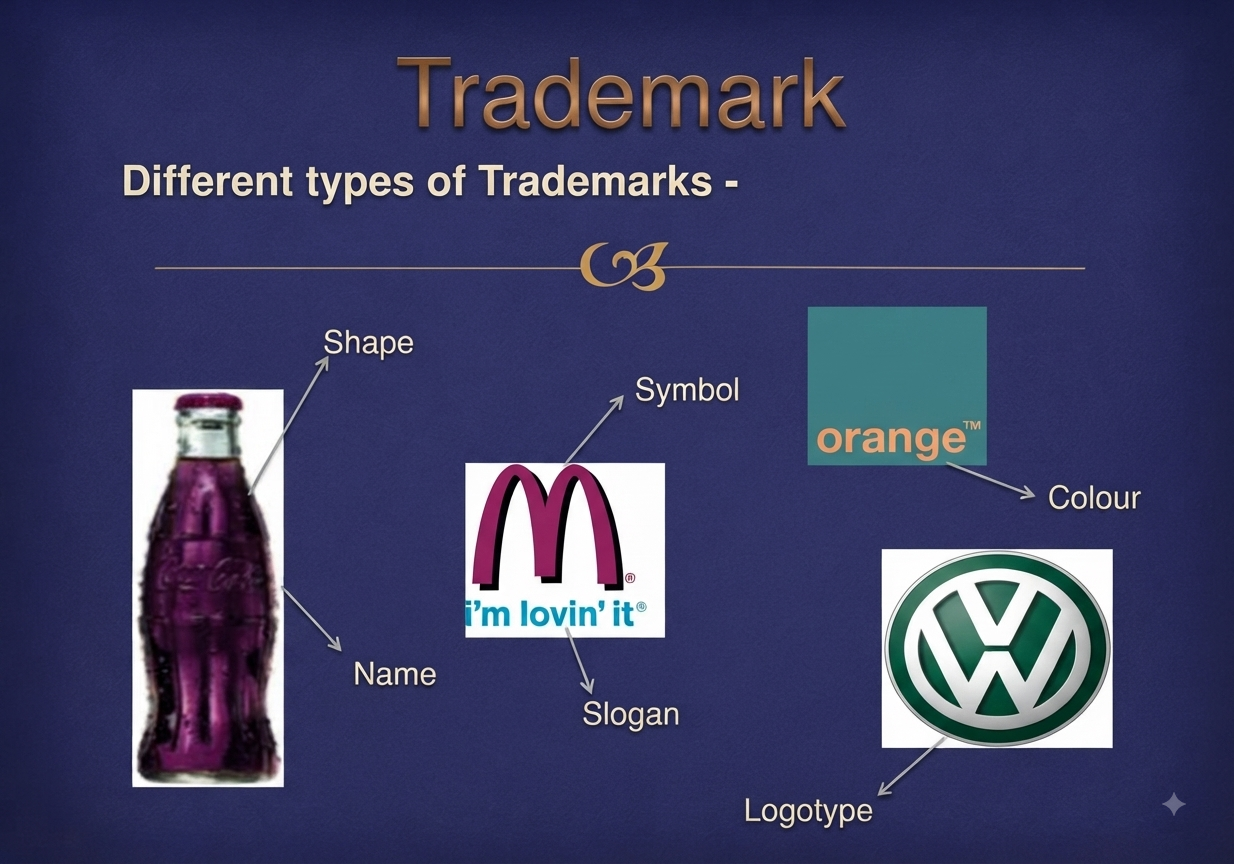
A trademark is one of the most valuable assets a business can own. It represents your brand’s identity, reputation, and the trust customers place in your products or services. However, simply creating a unique brand name or logo does not automatically give you complete legal protection. To secure exclusive rights over your brand, it is important to understand the trademark laws in Pakistan.

Trademark laws are designed to protect businesses from unauthorized use of their brand identity while helping consumers distinguish genuine products and services from counterfeit or misleading ones. In Pakistan, trademarks are governed by specific laws and regulations that outline the registration process, the rights of trademark owners, and the legal remedies available in case of infringement.

This guide explains the trademark laws in Pakistan, the role of IPO-Pakistan, and what every business owner should know before registering a trademark.

Trademark Laws Governing Pakistan

Trademark protection in Pakistan is primarily governed by two legal instruments:

Trade Marks Rules, 2004
Trade Marks Ordinance, 2001

1. Trade Marks Ordinance, 2001

The Trade Marks Ordinance, 2001 is the principal law governing trademark registration and protection in Pakistan. It defines what constitutes a trademark, who can apply for registration, the rights of trademark owners, and the procedures for enforcement.

The Ordinance also covers:

  • Registration of trademarks
  • Grounds for refusal
  • Trademark infringement
  • Assignment and licensing
  • Renewal of trademarks
  • Legal remedies for trademark owners

2. Trade Marks Rules, 2004

The Trade Marks Rules, 2004 provide detailed procedures for implementing the Trade Marks Ordinance, 2001. These rules explain how trademark applications are filed, examined, published, opposed, registered, and renewed.

Together, the Ordinance and Rules create a comprehensive legal framework for trademark protection in Pakistan.

The Intellectual Property Organization of Pakistan (IPO-Pakistan)

The (Intellectual Property Organization of Pakistan IPO-Pakistan) is the government authority responsible for administering trademark registration in Pakistan.

IPO-Pakistan performs several important functions, including:

  • Receiving trademark applications
  • Conducting trademark examinations
  • Publishing accepted trademarks in the Trade Marks Journal
  • Handling opposition proceedings
  • Issuing trademark registration certificates
  • Maintaining the official trademark register
  • Processing renewals and assignments

Every trademark application in Pakistan is processed through IPO-Pakistan.

Under Pakistani trademark law, the following can apply for trademark registration:

  • Individuals
  • Sole proprietorships
  • Partnerships
  • Private limited companies
  • Public limited companies
  • Limited Liability Partnerships (LLPs)
  • Associations and other legal entities

Foreign individuals and companies may also apply for trademark registration in Pakistan, subject to applicable legal requirements.

Rights of a Registered Trademark Owner

Once a trademark is registered, the owner enjoys several important legal rights, including:

  • Exclusive right to use the trademark.
  • Right to prevent unauthorized use.
  • Right to initiate legal proceedings against infringement.
  • Right to license or assign the trademark.
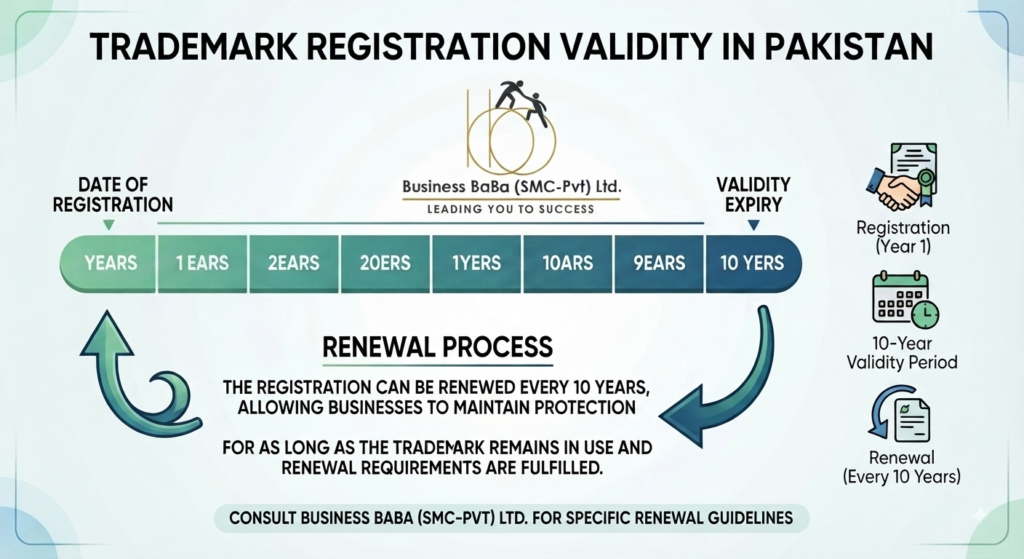
  • Right to renew the trademark indefinitely every 10 years.

These rights make trademark registration an essential step for protecting a business’s identity.

Trademark Infringement Under Pakistani Law

Trademark infringement occurs when someone uses an identical or confusingly similar trademark without the owner’s permission.

Examples include:

  • Copying a registered logo.
  • Using a similar brand name.
  • Selling counterfeit goods.
  • Using another company’s trademark in advertising without authorization.

If infringement occurs, the registered trademark owner may seek legal remedies through the courts, including injunctions, damages, and the removal of infringing goods from the market.

Trademark Registration Validity

Pakistan's International Commitments

Pakistan is a member of the World Intellectual Property Organization (WIPO) and a signatory to the Paris Convention for the Protection of Industrial Property.

These international agreements support intellectual property protection and provide certain benefits for applicants seeking trademark protection in multiple jurisdictions. However, a trademark registered in Pakistan generally provides protection only within Pakistan. Businesses seeking international protection must register their trademarks in the relevant countries or through applicable international systems.

Why Understanding Trademark Laws Is Important

Many trademark applications are delayed or rejected because applicants are unfamiliar with the legal requirements. Understanding trademark laws helps businesses:

  • Choose a registrable trademark.
  • Avoid conflicts with existing trademarks.
  • Protect their legal rights.
  • Prevent costly legal disputes.
  • Build a stronger and more valuable brand.

Whether you are starting a new business or expanding an established one, knowing the legal framework can save both time and money.

Final Thoughts

Trademark laws in Pakistan play a vital role in protecting businesses, encouraging fair competition, and safeguarding consumers from confusion and counterfeit products. The Trade Marks Ordinance, 2001 and the Trade Marks Rules, 2004 provide a comprehensive legal framework that enables businesses to register, protect, and enforce their trademark rights.

Registering your trademark with IPO-Pakistan is one of the smartest investments you can make for your brand. It provides exclusive legal rights, strengthens your market position, and ensures your business identity remains protected as your company grows.

  1. Copyright Law in Pakistan – Business Baba

    August 31, 2026

    […] Copyright Law vs Trademark Law […]

Post a comment

Your email address will not be published.

Related Posts