


Complete Guide (2026)
Trademark Registration in Pakistan
Table of Contents:
- Introduction to Trademark Registration
- What Is a Trademark?
- Why Trademark Registration Is Important
- Trademark Laws in Pakistan
- Types of Trademarks
- Trademark Classes Explained
- Trademark Search
- Trademark Registration Process in Pakistan
- Documents Required for Trademark Registration
- Trademark Examination, Publication & Opposition
- Trademark Infringement and Legal Protection
- Common Mistakes to Avoid
- Why Choose Business Baba for Trademark Registration
- Frequently Asked Questions
In today’s competitive business environment, your brand is one of your most valuable assets. Whether you’re launching a startup, running an e-commerce store, operating a local business, or expanding an established company, protecting your brand identity is essential. A trademark helps distinguish your products or services from those of competitors and builds trust and recognition among customers.
Trademark registration is the legal process of securing exclusive rights to use a distinctive name, logo, slogan, symbol, or other brand identifier. In Pakistan, trademarks are governed by the Trade Marks Ordinance, 2001 and the Trade Marks Rules, 2004, and are administered by the Intellectual Property Organization of Pakistan (IPO-Pakistan). Once registered, a trademark grants its owner the exclusive right to use the mark in connection with the goods or services for which it is registered and provides legal remedies against unauthorized use.
Many businesses assume that simply using a brand name gives them complete ownership. While prior use may provide limited legal protection in certain circumstances, registering your trademark offers significantly stronger rights, making it easier to prevent infringement, enforce your ownership, and enhance your brand’s value.
This comprehensive guide explains everything you need to know about trademark registration in Pakistan. You’ll learn what trademarks are, who can apply, the types of trademarks that can be registered, the registration process, required documents, trademark classes, legal rights, renewal requirements, common mistakes to avoid, and answers to frequently asked questions. Whether you’re an entrepreneur, business owner, or legal professional, this guide will help you understand how to protect your brand under Pakistani trademark law.

A trademark is a distinctive sign that identifies and distinguishes the goods or services of one business from those of others. It serves as a unique brand identifier, helping customers recognize the source of a product or service and differentiate it from competitors in the marketplace.
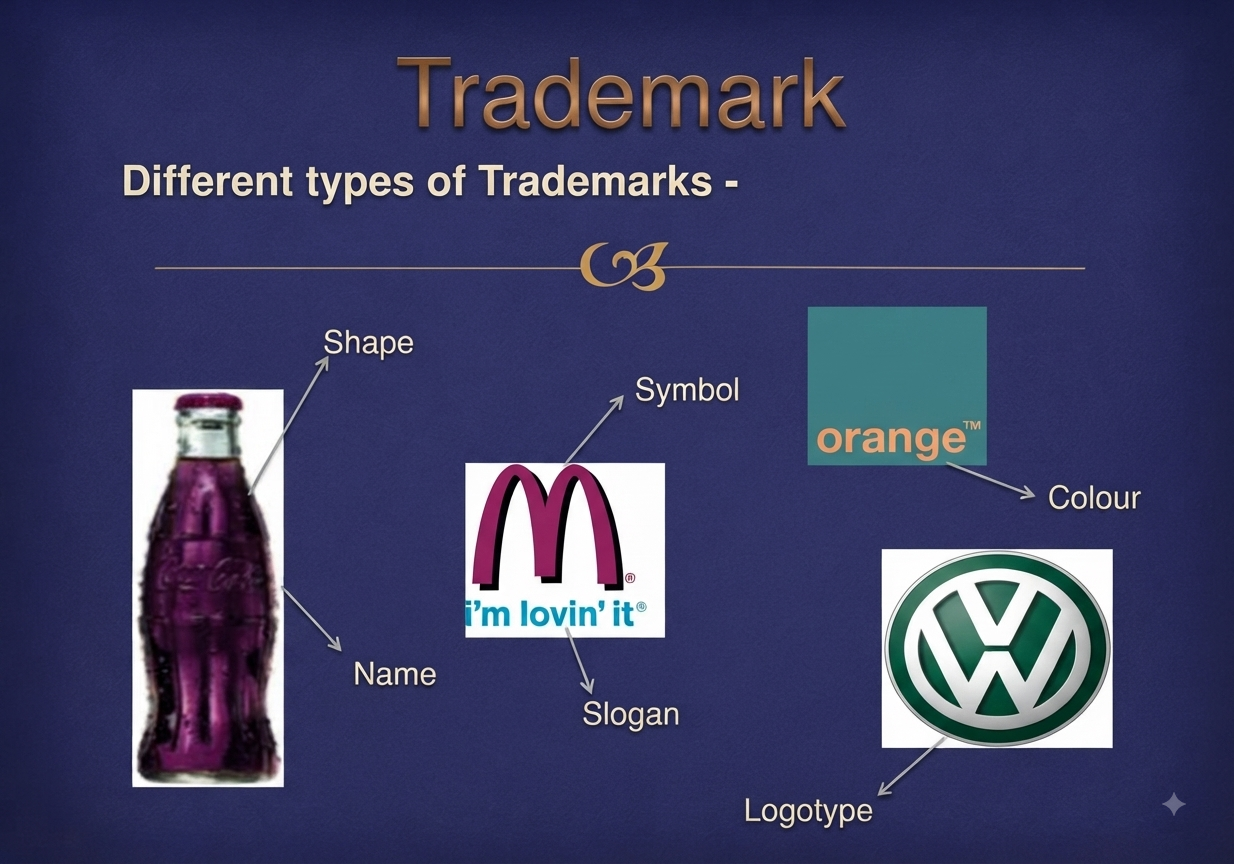
A trademark can take many forms, including:
Under the Trade Marks Ordinance, 2001, a trademark must be capable of distinguishing the goods or services of one business from those of another. It should also be distinctive and not conflict with existing registered trademarks or fall under the prohibited categories defined by Pakistani trademark law.
A trademark does much more than protect a brand name. It helps businesses:
- Build brand recognition and customer trust.
- Prevent competitors from using confusingly similar names or logos.
- Establish exclusive legal rights over a brand identity.
- Strengthen the brand’s commercial value and reputation.
- Support business expansion, licensing, franchising, and investment opportunities.
Examples of Trademarks
Some common examples of trademarks include:
- A company’s brand name, such as “Business Baba.”
- A unique logo used on products or marketing materials.
- A memorable slogan, such as a company’s advertising tagline.
- A distinctive product label or packaging design that consumers associate with a specific brand.
A trademark is one of the most valuable assets a business can own. It represents your brand’s identity, reputation, and the trust you’ve built with your customers. Registering your trademark not only protects your brand from misuse but also gives your business a strong legal foundation for growth.
Whether you’re a startup, an SME, or a well-established company, trademark registration offers several long-term benefits.
1. Protects Your Brand Identity
Your brand name, logo, or slogan is what customers remember. Trademark registration gives you the exclusive legal right to use your trademark for the goods or services it is registered under. This helps prevent others from using identical or confusingly similar marks that could mislead consumers.
2. Grants Exclusive Legal Rights
A registered trademark provides legal ownership of your brand in relation to the registered goods or services. If another business uses your trademark without permission, you have stronger legal grounds to enforce your rights and seek remedies under Pakistani trademark law.
3. Builds Customer Trust and Brand Recognition
Customers are more likely to trust businesses with a consistent and protected brand identity. A registered trademark helps establish credibility, making it easier for consumers to recognize your products or services and distinguish them from competitors.
4. Prevents Brand Copying
Without trademark registration, another business may adopt a similar name or logo, causing confusion in the marketplace. Registering your trademark significantly reduces this risk and strengthens your position if you need to challenge unauthorized use.
5. Creates a Valuable Business Asset
A trademark is an intellectual property asset that can increase in value as your business grows. It can be licensed, assigned, franchised, or even sold, making it an important commercial asset for your company.
6. Supports Business Expansion
If you plan to expand your business into new cities, provinces, or international markets, a registered trademark provides a solid legal foundation for brand protection. It also makes it easier to pursue trademark protection in other countries, subject to their respective laws and procedures.
7. Strengthens Your Competitive Advantage
A unique and legally protected brand helps your business stand out in a crowded market. Customers are more likely to choose brands they recognize and trust, giving you a competitive edge over businesses with unprotected branding.
8. Helps Enforce Your Rights
Trademark registration simplifies the process of enforcing your rights against unauthorized use. It serves as official evidence of your registered rights and can strengthen your position in legal proceedings involving trademark infringement.
9. Increases Business Value
Investors, business partners, and potential buyers often view registered intellectual property as a valuable asset. Owning a registered trademark can enhance your company's reputation and contribute to its overall commercial value.
10. Provides Long-Term Protection
In Pakistan, a registered trademark is valid for 10 years from the date of registration and can be renewed indefinitely for additional 10-year periods, provided the renewal requirements are met. This allows businesses to protect their brand identity for as long as they continue using and renewing the trademark.
Key Takeaway
Trademark registration is more than a legal formality—it's an investment in your brand's future. It protects your business identity, strengthens your legal rights, builds customer confidence, and supports long-term business growth. For any business that values its reputation and wants to safeguard its brand, registering a trademark is a smart and strategic decision.
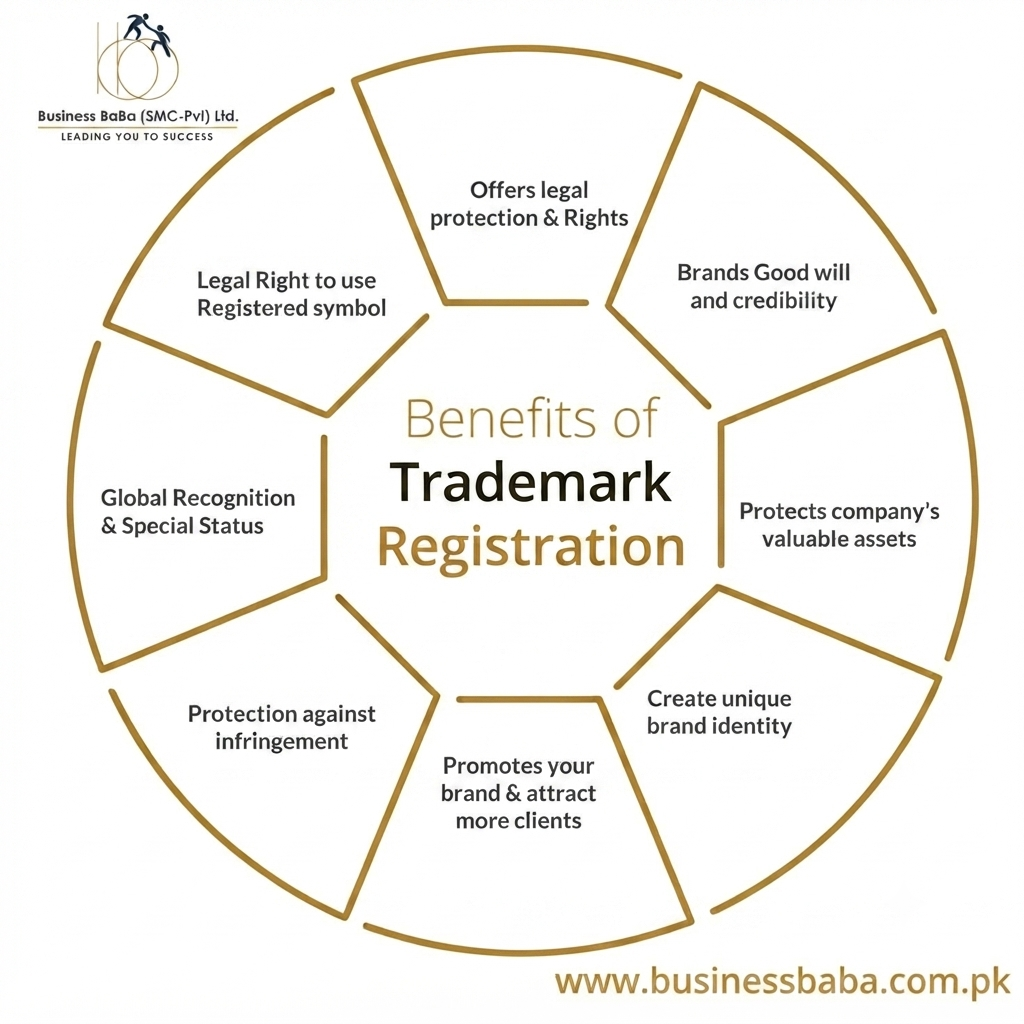
Trademark registration in Pakistan is governed by a well-defined legal framework that protects the rights of brand owners and helps prevent the unauthorized use of trademarks. Understanding these laws is essential for businesses seeking to register and enforce their trademark rights.
The primary law governing trademarks in Pakistan is the Trade Marks Ordinance, 2001. This legislation sets out the legal requirements for trademark registration, the rights of trademark owners, grounds for refusal, infringement provisions, and procedures for enforcement.
The Ordinance provides protection for trademarks that are capable of distinguishing the goods or services of one business from those of another. It also outlines the legal remedies available when registered trademark rights are violated.
The Trade Marks Rules, 2004 complement the Ordinance by prescribing the procedures for filing trademark applications, examination, publication, opposition, registration, renewal, assignment, licensing, and other administrative matters.
These rules ensure that trademark applications are processed in a consistent and transparent manner.
Trademark registration is administered by the Intellectual Property Organization of Pakistan (IPO-Pakistan) through its Trademark Registry.
IPO-Pakistan is responsible for:
- Receiving and processing trademark applications.
- Examining applications for compliance with the law.
- Conducting searches for conflicting trademarks.
- Publishing accepted trademarks in the official Trade Marks Journal.
- Handling opposition proceedings.
- Issuing registration certificates.
- Maintaining the official trademark register.
- Processing renewals, assignments, and other post-registration matters.
Who Can Apply for a Trademark?
Under Pakistani law, a trademark application may be filed by:
- Individuals
- Sole proprietors
- Partnerships
- Private limited companies
- Public limited companies
- Limited liability partnerships (LLPs)
- Associations and other legal entities
Both Pakistani nationals and foreign applicants may apply for trademark registration, subject to the applicable legal requirements.
Legal Protection for Registered Trademarks
Once a trademark is successfully registered, the owner receives exclusive rights to use the trademark for the goods or services covered by the registration. If another party uses an identical or confusingly similar trademark without authorization, the registered owner may pursue legal remedies available under the Trade Marks Ordinance, 2001.
Registration also creates a public record of ownership, making it easier to establish rights and enforce them when necessary.
Pakistan and International Trademark Protection
Pakistan is a member of the World Intellectual Property Organization (WIPO) and is also a party to the Paris Convention for the Protection of Industrial Property, which provides certain benefits for applicants seeking trademark protection across member countries.
However, a trademark registered in Pakistan is protected only within Pakistan. Businesses wishing to protect their trademarks in other countries must apply for registration in those jurisdictions or use an applicable international filing system where available.
Why Understanding Trademark Law Matters
Many trademark applications are delayed or refused because applicants are unaware of the legal requirements. Understanding Pakistan’s trademark laws helps businesses:
- Choose a registrable trademark.
- Avoid conflicts with existing trademarks.
- Complete the registration process correctly.
- Protect their legal rights after registration.
- Reduce the risk of disputes and infringement claims.
By complying with the Trade Marks Ordinance, 2001, the Trade Marks Rules, 2004, and the procedures established by IPO-Pakistan, businesses can secure stronger legal protection for their brands and build a solid foundation for long-term growth.
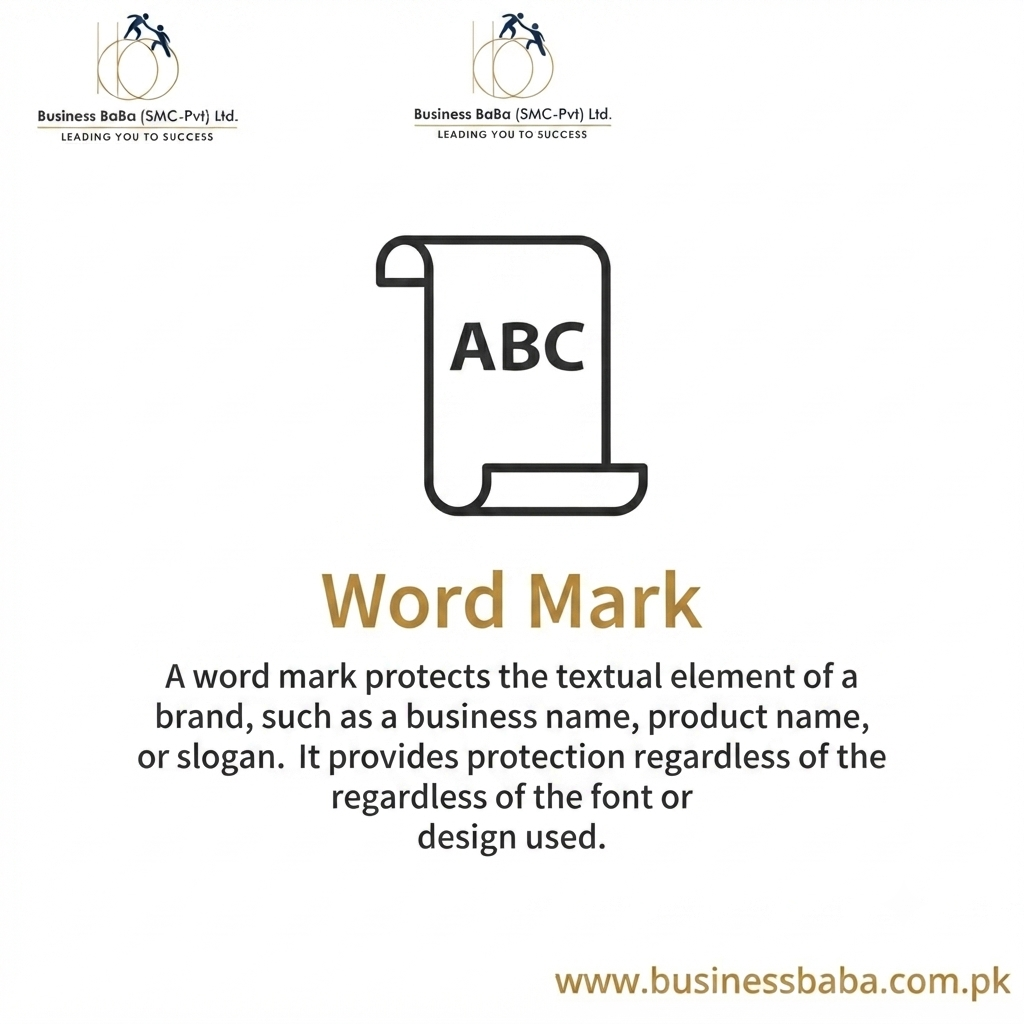
Word Mark
A word mark protects the textual element of a brand, such as a business name, product name, or slogan. It provides protection regardless of the font or design used.

Device Mark (Logo Mark)
A device mark protects a unique logo, symbol, icon, or graphic that represents a business or brand.
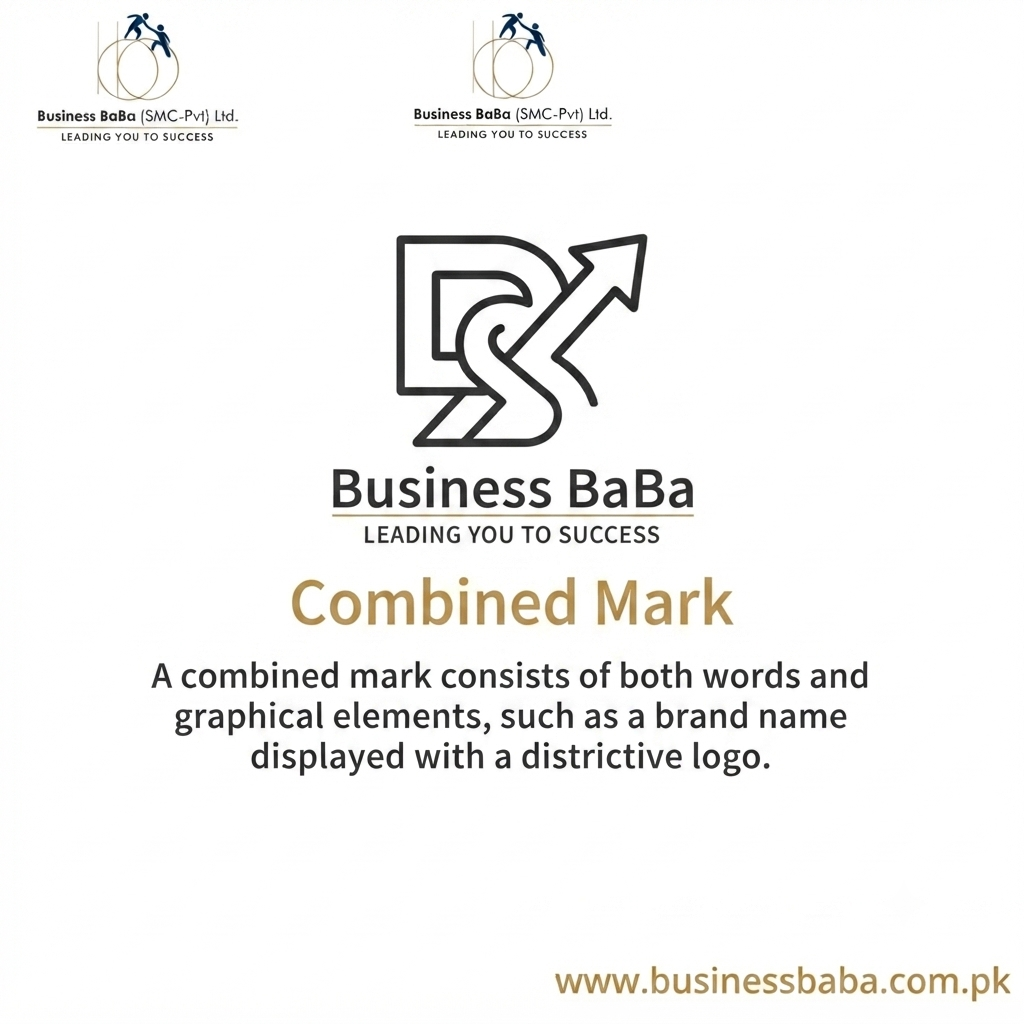
Combined Mark
A combined mark consists of both words and graphical elements, such as a brand name displayed with a distinctive logo.
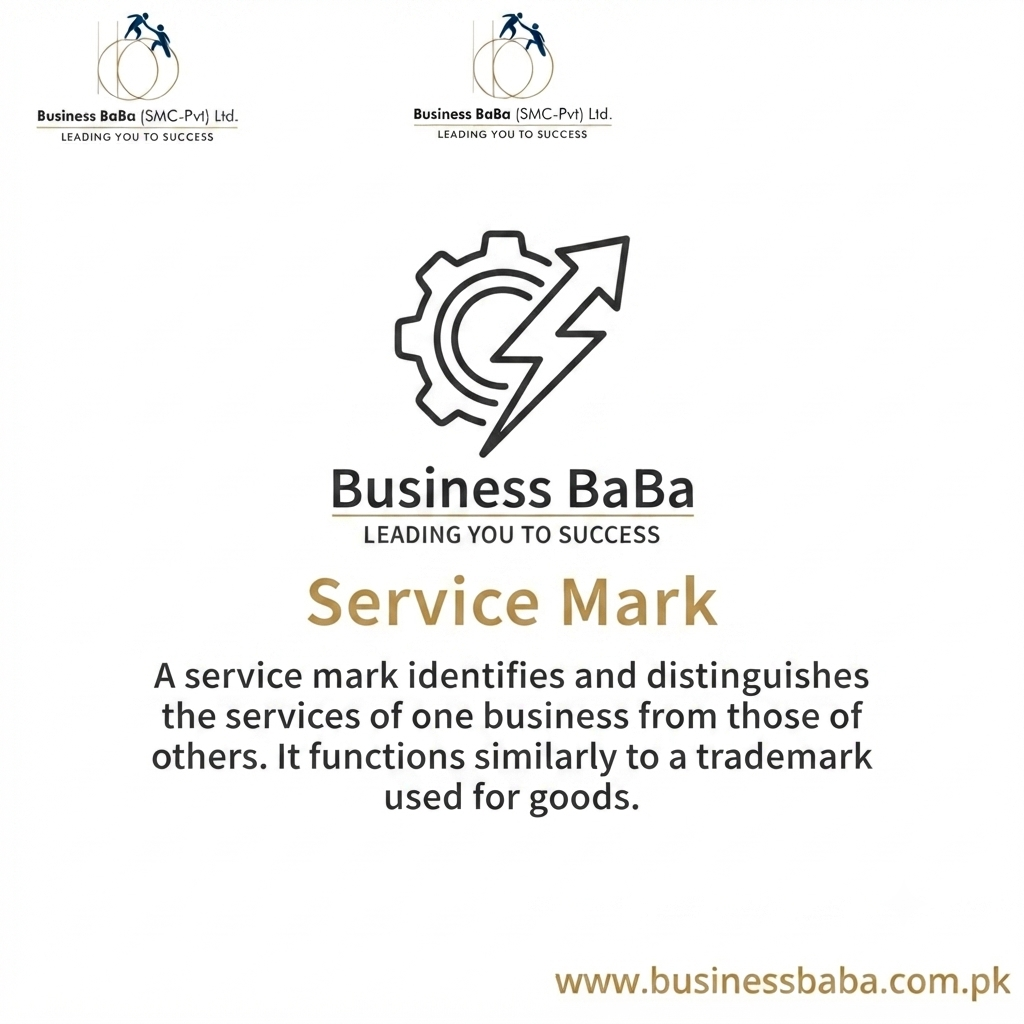
Service Mark
A service mark identifies and distinguishes the services of one business from those of others. It functions similarly to a trademark used for goods.
Collective Mark
A collective mark is used by members of an association or organization to indicate that their goods or services meet certain standards or belong to a specific group.
Certification Mark
A certification mark indicates that a product or service meets specific quality, origin, manufacturing, or performance standards set by the owner of the mark.
Note: In Pakistan, trademarks are registered through IPO-Pakistan under the Trade Marks Ordinance, 2001. The type of trademark you apply for depends on the nature of your brand and the goods or services you offer.
Trademark Classes
Before filing a trademark application, you must choose the correct trademark class for your goods or services. Pakistan follows the Nice Classification (NCL) system, an internationally recognized classification that divides trademarks into 45 classes.
- Classes 1–34 cover goods (such as food, clothing, chemicals, electronics, and cosmetics).
- Classes 35–45 cover services (such as advertising, education, legal services, healthcare, and software services).
Selecting the correct class is crucial because your trademark protection applies only to the goods or services listed under the registered class. Choosing the wrong class may result in limited protection or delays during the registration process.
Tip: If your business offers products or services in multiple categories, you may need to apply in more than one trademark class to ensure comprehensive brand protection.
Before filing a trademark application, it is advisable to conduct a trademark search to determine whether your proposed trademark is already registered or pending registration. A trademark search helps identify potential conflicts with existing trademarks and reduces the risk of objections or refusal by IPO-Pakistan.
Conducting a thorough search allows you to choose a distinctive trademark, avoid legal disputes, and save time and costs during the registration process. While a preliminary search can provide useful insights, a professional trademark search offers a more comprehensive assessment of your trademark’s availability.
Tip: Always conduct a trademark search before submitting your application to improve the chances of successful registration.
Trademark Registration Process in Pakistan
Registering a trademark in Pakistan involves several legal and administrative steps. The process is managed by IPO-Pakistan under the Trade Marks Ordinance, 2001 and the Trade Marks Rules, 2004.
3. Examination by IPO-Pakistan
The Trademark Registry examines the application to verify that it complies with legal requirements and does not conflict with earlier trademarks or fall under any grounds for refusal.
6. Registration and Certificate Issuance
Once all legal requirements are satisfied, IPO-Pakistan registers the trademark and issues a Registration Certificate, granting the owner exclusive rights to use the trademark for the registered goods or services.
To apply for a trademark in Pakistan, applicants must submit certain documents and information to IPO-Pakistan. The exact requirements may vary depending on the applicant’s legal status and the nature of the application.
The commonly required documents include:
- A clear representation of the trademark (name, logo, or both).
- Applicant’s name, address, and contact details.
- CNIC (for individuals) or company incorporation documents (for businesses).
- Details of the goods or services and the relevant trademark class(es).
- A signed Power of Attorney (Form TM-48), if the application is filed through a trademark agent or attorney.
- Priority documents, if claiming priority based on an earlier foreign application (where applicable).
Providing complete and accurate documents helps ensure a smoother registration process and reduces the likelihood of delays or objections from the Trademark Registry.
After a trademark application is filed, IPO-Pakistan reviews it to ensure it complies with the Trade Marks Ordinance, 2001 and the Trade Marks Rules, 2004.
Trademark Examination
The Trademark Registry examines the application to determine whether the trademark is distinctive, meets the legal requirements, and does not conflict with existing registered or pending trademarks. If any issues are identified, the applicant may receive an examination report and be required to respond.
Publication in the Trade Marks Journal
If the application is accepted, the trademark is published in the Trade Marks Journal. This publication gives the public an opportunity to review the application before registration.
Opposition
Any person who believes the trademark should not be registered may file a notice of opposition within the prescribed period after publication. Both parties are given an opportunity to present evidence and arguments before the Registrar makes a decision.
If no opposition is filed, or if the opposition is decided in favor of the applicant, the trademark proceeds to registration and a registration certificate is issued.
Trademark infringement occurs when a person or business uses a trademark that is identical or confusingly similar to a registered trademark without the owner’s permission. Such unauthorized use can mislead consumers, damage a brand’s reputation, and result in financial losses for the trademark owner.
Under the Trade Marks Ordinance, 2001, the owner of a registered trademark has the exclusive right to use the mark in connection with the registered goods or services. If these rights are violated, the owner may take legal action to stop the infringement and seek appropriate remedies.
Common Examples of Trademark Infringement
- Using a brand name that is identical or deceptively similar to a registered trademark.
- Copying a company’s logo, label, or packaging to confuse customers.
- Selling counterfeit products bearing another business’s registered trademark.
- Using a registered trademark in advertisements or online marketplaces without authorization.
Legal Protection for Trademark Owners
A registered trademark owner can enforce their rights through legal proceedings and may seek remedies such as:
- An injunction to stop the unauthorized use of the trademark.
- Compensation or damages, where applicable.
- Seizure or destruction of counterfeit goods.
- Other legal remedies available under Pakistani trademark law.
Registering your trademark provides stronger legal protection and makes it easier to enforce your rights against infringement. It also serves as official evidence of ownership, helping safeguard your brand and business reputation.
Many trademark applications face delays or refusals because of avoidable mistakes. By understanding these common errors, you can improve your chances of a successful registration.
Choosing a Generic or Descriptive Name
Generic or purely descriptive names are often difficult—or impossible—to register as trademarks because they lack distinctiveness.
Skipping a Trademark Search
Failing to conduct a trademark search before filing may result in conflicts with existing trademarks, leading to objections or refusal.
Selecting the Wrong Trademark Class
Choosing an incorrect class can leave your goods or services unprotected. Ensure you file under the appropriate class or classes based on your business activities.
Filing Incomplete or Incorrect Information
Providing inaccurate details or missing required documents can delay the examination process or lead to rejection of the application.
Ignoring Examination Reports or Deadlines
If IPO-Pakistan raises objections or requests additional information, responding promptly is essential. Missing deadlines may result in your application being abandoned.
Not Renewing the Trademark
A registered trademark must be renewed periodically to remain in force. Failure to renew on time can result in the loss of your trademark rights.

Why Choose Business Baba for Trademark Registration
Registering a trademark is a crucial step in protecting your brand, and having the right partner can make the process faster and hassle-free. At Business Baba, we provide professional trademark registration services to help individuals, startups, and businesses secure their intellectual property with confidence.
1. What is a trademark?
A trademark is a unique sign, such as a name, logo, slogan, or symbol, that distinguishes your goods or services from those of other businesses.
2. Why should I register my trademark?
Registering your trademark gives you exclusive legal rights to use your brand, helps prevent unauthorized use, and strengthens your ability to enforce your rights.
3. Who can apply for trademark registration in Pakistan?
Individuals, sole proprietors, partnerships, companies, and other legal entities can apply for trademark registration through IPO-Pakistan.
4. How long does trademark registration take in Pakistan?
The registration process can take several months to over a year, depending on examination, objections, oppositions, and the overall processing time at IPO-Pakistan.
5. How long is a registered trademark valid?
A registered trademark in Pakistan is valid for 10 years and can be renewed indefinitely for additional 10-year periods.
6. Can I register both my business name and logo?
Yes. You can register your business name as a word mark, your logo as a device mark, or both together as a combined mark, depending on your branding strategy.
7. Do I need to conduct a trademark search before filing?
While it is not mandatory, conducting a trademark search is highly recommended. It helps identify existing trademarks that may conflict with your application and reduces the risk of objections or refusal.
8. Can I register a trademark in more than one class?
Yes. If your business offers goods or services in multiple categories, you can apply for trademark registration in multiple classes.
9. What happens if someone opposes my trademark application?
If an opposition is filed after publication in the Trade Marks Journal, both parties will have an opportunity to present their evidence and arguments before IPO-Pakistan makes a decision.
10. Can Business Baba help me with trademark registration?
Yes. Business Baba provides end-to-end trademark registration services, including trademark searches, class selection, application filing, and professional support throughout the registration process.
Share
Related Posts

August 29, 2026
Trademark Infringement and Legal Protection in Pakistan
Trademark Infringement and Legal Protection in Pakistan Imagine spending years building a brand that customers…

August 18, 2026
Trademark Examination, Publication & Opposition
Trademark Examination, Publication & Opposition After submitting a trademark application, the registration process does not…

August 15, 2026
Documents Required for Trademark Registration in Pakistan
Documents Required For Trademark Registration in Pakistan Registering a trademark is an important step in…
August 13, 2026
Types of Trademarks in Pakistan
Types of Trademarks in Pakistan A Complete Guide A trademark is more than just a…

Trademark Infringement and Legal Protection in Pakistan – Business Baba
August 29, 2026[…] is where trademark infringement becomes a serious business […]